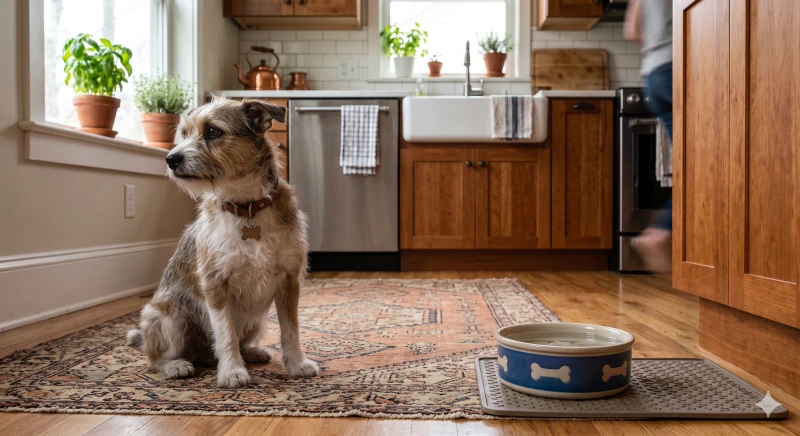
You fill the bowl in the morning, but by the end of the day, the water level has barely dropped. If you are constantly thinking, “My dog isn’t drinking enough water,” it is entirely natural to feel concerned. As pet parents, we know that water is essential for life, but getting our furry companions to drink adequately can sometimes be a frustrating challenge.
Ignoring this behavior, however, is not an option. A lack of proper moisture intake can quickly escalate into severe health issues, including painful urinary tract infections and long-term kidney disease. Dehydration happens faster than you might think, especially during warmer months or after a long walk.
But don’t panic! There is no need to force your pup to drink. With a few subtle changes to their daily routine and environment, you can naturally encourage healthy hydration. Below, we will explore why water is so vital, how to spot the clinical signs of dehydration, and the most effective, vet-approved tricks to keep your dog healthy and happy.
Why Proper Hydration is Crucial for Your Dog’s Health
Water is the foundation of your dog’s overall well-being. Just like in humans, a canine’s body relies on fluids to function correctly. Proper hydration aids in digestion, helps absorb nutrients, and is vital for regulating body temperature through panting.
More importantly, consistent water intake flushes toxins from the body. When a dog doesn’t drink enough, their kidneys have to work overtime to concentrate the urine, which drastically increases the risk of kidney stones, urinary blockages, and chronic kidney failure over time.
How to Tell if Your Dog is Dehydrated: Clinical Signs
Before trying new tricks, you need to assess your dog’s current hydration level. Here are three simple, clinical ways to check if your pet needs immediate fluids:
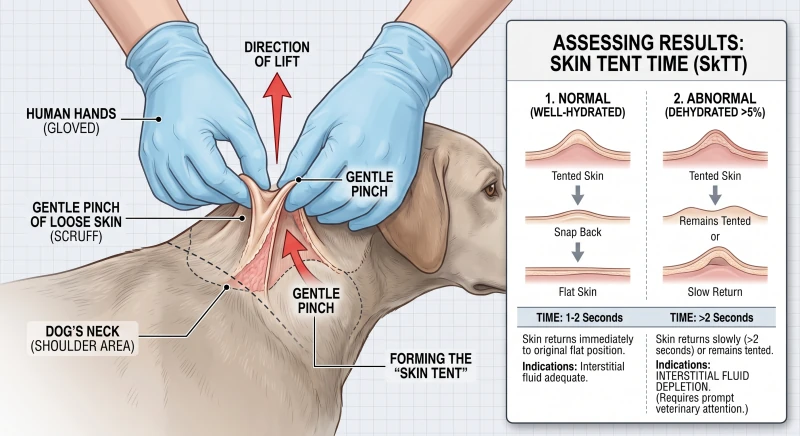
- The Skin Tent Test: Gently pinch the loose skin at the back of your dog’s neck or between their shoulder blades and lift it slightly. When you let go, the skin should snap back into place immediately. If it slowly falls back or stays in a “tent” shape, your dog is dehydrated.
- Check the Gums: Lift your dog’s lip and feel their gums. Healthy gums should feel slick and moist. If they feel sticky, tacky, or dry, your pet needs water. You can also press gently on the gum until it turns white; the pink color should return in less than two seconds (capillary refill time).
- Behavioral Changes: Lethargy, sunken eyes, heavy panting without exercise, and a sudden loss of appetite are all red flags of severe dehydration.
Simple Tricks to Encourage Healthy Hydration
If your vet has ruled out underlying medical conditions and your pup is just being a picky drinker, try these highly effective strategies:
1. Upgrade to a Dog Water Fountain
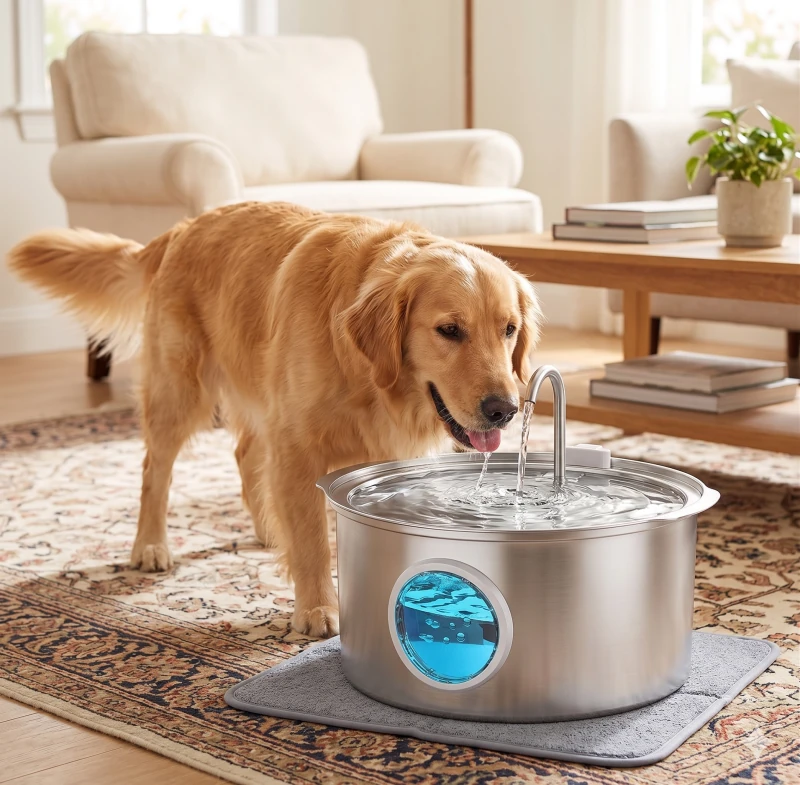
In the wild, animals naturally prefer running water because stagnant pools can harbor dangerous bacteria. Many domestic dogs retain this instinct. If your dog ignores their standard bowl, switching to an automatic pet water fountain can be a game-changer. The continuous flow keeps the water fresh, filtered, and highly appealing. It is one of the easiest investments you can make for your pet’s kidney health.
2. Incorporate Wet Food Into Their Diet
If your dog strictly eats dry kibble, they are missing out on a massive opportunity for passive hydration. High-quality canned food contains about 70-80% moisture. Mixing wet food into their daily meals is an excellent way to boost their water intake without them even realizing it.
3. Add Flavor to the Bowl
Sometimes, plain tap water is just boring. You can entice your dog to drink by adding a splash of low-sodium, onion-free chicken or bone broth to their bowl. Alternatively, tossing a few ice cubes into the water can turn hydration into a fun, crunchy game.
4. Provide Multiple Water Stations
If you live in a large house or have multiple floors, your dog might simply be too lazy to walk all the way to the kitchen for a sip. Place fresh water bowls in different rooms—especially near their bed and in the living area—to make accessing water as effortless as possible.
When to Visit the Veterinarian
While these tips are excellent for encouraging daily hydration, a sudden or complete refusal to drink water is a medical emergency. If your dog goes a full 24 hours without drinking, is vomiting, has diarrhea, or shows severe signs of dehydration, please visit your trusted veterinarian immediately. Fluid therapy may be required to stabilize their system.
Summary: Ensuring your dog drinks enough water is essential for preventing kidney and urinary issues. By monitoring their hydration levels, switching to a pet water fountain, and adding moisture-rich foods to their diet, you can easily protect their health.
Does your dog have a quirky drinking habit, or have you found a trick that works perfectly for them? Let us know in the comments below! And if you are looking to upgrade their hydration station, check out our latest reviews on the best automatic pet fountains in our Home & Hygiene section on PawsomeRead.com.